
4 min read ·
Use Acetone on Super Glue Only After a Compatibility Test
Acetone can soften cured super glue, but it may damage plastic, paint, wood finishes and fabrics. Check the surface before following these steps.
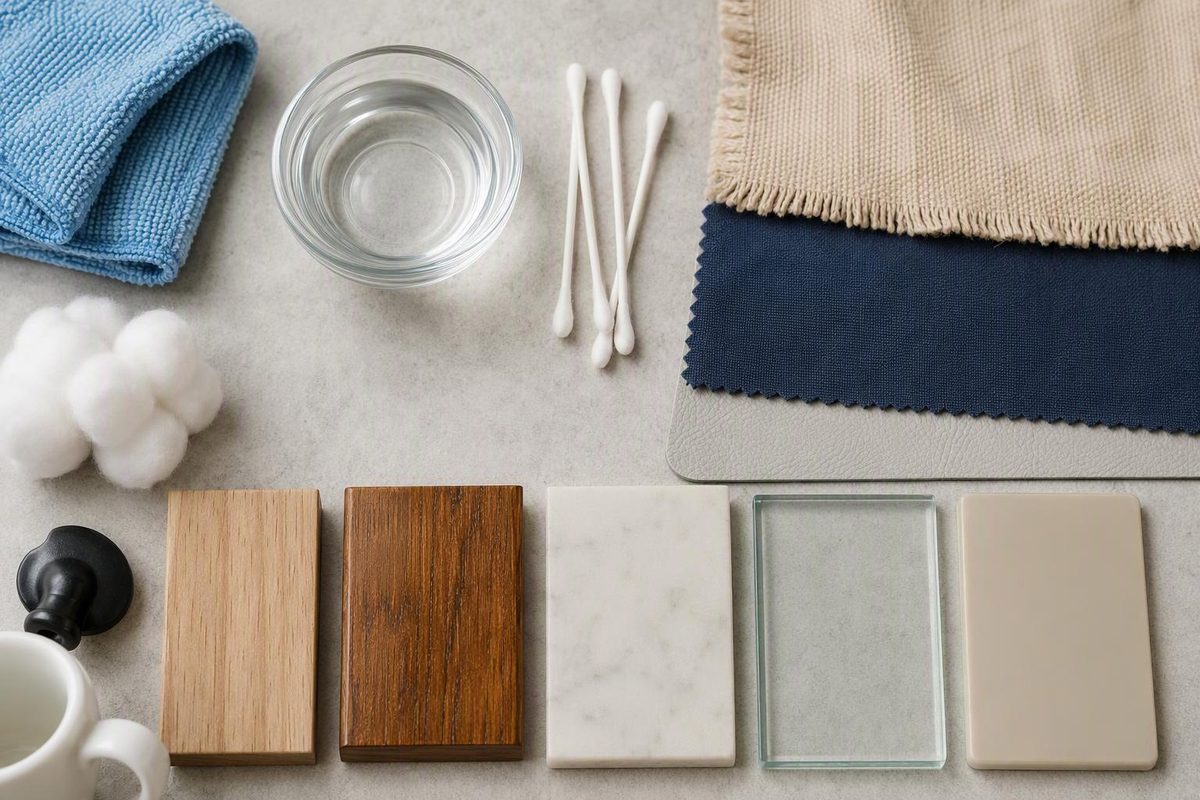
Acetone can soften cured cyanoacrylate (super glue), but it is not safe for every surface. It is most practical for a small spot on plain, uncoated glass, intact glazed ceramic or bare metal. Do not assume it is safe on plastic, paint, a countertop, finished wood or fabric; test an inconspicuous area first.
Acetone is highly flammable. NIOSH gives it a flash point of 0°F (-18°C) and lists irritation of the eyes, skin, nose and throat among its hazards. Work in a well-ventilated area, keep acetone away from flames, sparks and hot surfaces, and prevent skin and eye contact (NIOSH Pocket Guide).
Check the material before using acetone
| Glue is on… | Use acetone? | Better first move |
|---|---|---|
| Plain uncoated glass, intact glazed ceramic or bare metal | Usually, after a spot test | Lift any raised bead gently, then use a very small amount of acetone |
| Painted, lacquered or clear-coated surface | Risky | Try warm soapy water; consult the coating maker before using solvent |
| Countertop or engineered-stone surface | Only with manufacturer approval | Warm soapy water and a non-scratching plastic scraper |
| Plastic or an unidentified molded part | Usually no | Warm soapy water; check the exact resin and manufacturer guidance |
| Finished or veneered wood | Usually no | Use the least aggressive compatible method in our guide to removing adhesive from wood |
| Washable fabric | Only after checking every fiber, dye and care instruction | Lift what releases without stretching, then test an unseen area |
| Skin or fingernails | Not the first choice | Soak in warm soapy water and gently work the bond apart—never pull |
| Eyes, eyelids, mouth or other sensitive tissue | No | Use the first-aid steps below and contact a poison center or clinician |
“Plastic” is not one material. Chemical resistance varies with the resin, solvent concentration, contact time, temperature and mechanical load, so a result for one plastic does not establish safety for another (Curbell Plastics). Gorilla likewise warns that acetone can damage some plastics and countertops (Gorilla Super Glue guidance).
How to remove cured super glue with acetone
- Confirm the adhesive. This method is for cured cyanoacrylate, not polyurethane glue, epoxy or construction adhesive.
- Handle liquid spills separately. Do not smear fresh super glue across the surface; follow the product label or safety data sheet. Keep liquid cyanoacrylate away from cotton, wool, paper and other cellulose materials because rapid polymerization can generate heat, smoke and irritating vapor and may cause burns (University of Reading safety data sheet).
- Test the surface. Put one small drop of acetone in a hidden location. Let it evaporate completely. Stop if the surface softens, becomes tacky, loses gloss, transfers color or turns cloudy.
- Reduce the raised glue mechanically. If the substrate tolerates it, work at the edge with a plastic scraper. Keep the tool nearly flat and do not force it beneath a coating or veneer.
- Apply acetone only to the glue. Use the smallest practical amount rather than soaking the whole part. Allow it to soften the bond, then lift or roll away the residue. Repeat sparingly instead of flooding the surface.
- Clean the area. Once the glue is gone, follow the substrate maker’s cleaning instructions. Wash solvent-safe hard surfaces with mild soap and water, then dry them.
Loctite lists acetone as one way to remove cured adhesive but explicitly warns that it may damage surfaces and is highly flammable (Loctite Super Glue Gel instructions). That is why the compatibility test comes before the removal attempt.
Special cases
Skin and bonded fingers
Start with prolonged soaking in warm soapy water and gently wiggle or roll the bonded skin; do not pry it apart. Manufacturer guidance permits nail-polish remover on nails when used according to its label, but the remover can strip oils from the nail and surrounding skin (Gorilla adhesive-removal guidance). Check the product label because not every nail-polish remover contains acetone.
For a large affected area, pain, a burn or skin bonded to an object that will not release, contact a poison center or medical professional. The Missouri Poison Center warns that forced separation can remove layers of skin (super-glue first aid).
Eyes and mouth
Never put acetone or another solvent in or around an eye, and never force bonded eyelids open. If glue enters an eye and the eyelids are not stuck, rinse with lukewarm water. If they are stuck, apply a warm compress and contact a poison center for case-specific advice, as directed by the Ontario Poison Centre. Seek urgent professional guidance for eye or mouth exposure.
Clothing and upholstery
Read the fiber-content and care labels for the face fabric, lining and trim. Acetone readily dissolves acetate fibers and can pull dye even when the outer fabric appears unaffected. The Drycleaning & Laundry Institute recommends testing a hidden sample and not using acetone if the sample dissolves or loses color (DLI acetone guidance). Take acetate, delicate, dry-clean-only or valuable items to a professional cleaner rather than experimenting.
Acetone is a targeted remover, not a universal cleanup fluid: identify the glue and substrate, test compatibility, and use only enough solvent to soften the residue.